Asbestlint Explained: The Truth About Asbestos Rope and Tape
Asbestlint Introduction
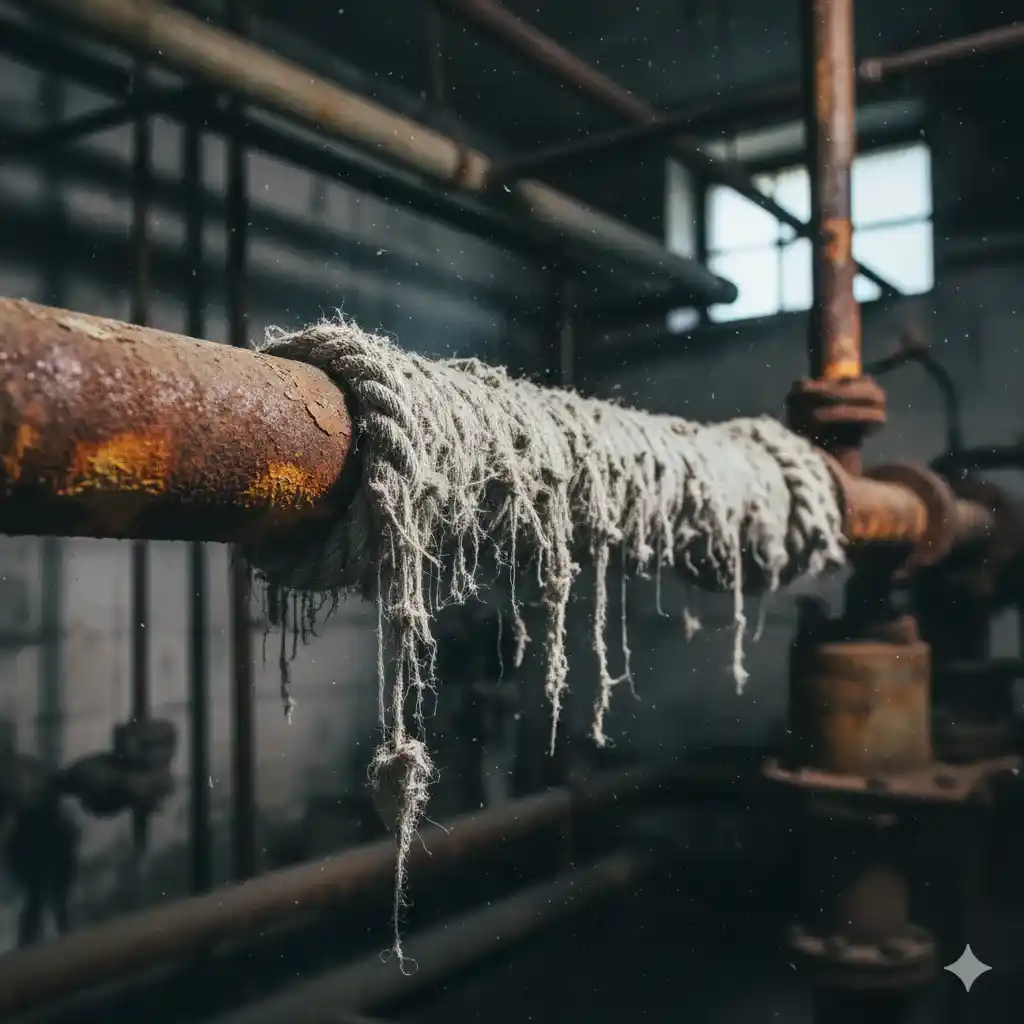
If you’ve stumbled across the word “asbestlint” in a renovation forum, historical manual, or old technical document, you might wonder: Is this a special kind of asbestos product? The short answer is no. “Asbestlint” is not a separate material—it is a linguistic variation or mistranslation, most often from Dutch or German, that simply refers to asbestos rope, tape, or wick.
Despite the confusion around the name, the material itself is far from harmless. Like all asbestos products, “asbestlint” carries serious health risks that still affect us today.
This article will decode the term, explain how asbestos rope/tape was used, outline the dangers, and provide essential safety guidance for anyone who may encounter it in older homes or industrial settings.
What Is “Asbestlint”? Decoding the Name
The word itself reveals its origin:
- “Asbest” → the Dutch, German, and Scandinavian word for asbestos.
- “Lint” → translates as rope, tape, string, or wick.
So, asbestlint literally means asbestos rope or asbestos tape. It’s not a new or different mineral—it’s simply a descriptive form of asbestos that was widely manufactured during the 20th century.
Asbestos Rope and Tape: What They Were Used For
During its peak in the 20th century, asbestos was called the “miracle mineral” thanks to its resistance to heat, fire, chemicals, and electricity. One of the most practical forms it was produced into was woven or braided textiles, like ropes, tapes, and cloths.
Here are some of the most common applications of asbestos rope/tape:
| Application | Description |
|---|---|
| Insulation | Wrapped around pipes, boilers, furnaces, and ductwork to prevent heat loss and protect surrounding structures. |
| Sealing and Gaskets | Used in stoves, ovens, kilns, and industrial machinery as fireproof seals. |
| Electrical Insulation | Non-conductive asbestos wick/tape wrapped around electrical components. |
| Jointing in Plumbing/Mechanical Work | Packed into threaded joints in high-temperature systems to prevent leaks. |
In short, asbestos rope and tape were industrial workhorses—durable, cheap, and effective. Unfortunately, their usefulness came at a deadly cost.
The Hidden Danger: Why Asbestlint Is Hazardous
The same properties that made asbestos useful also make it extremely dangerous to human health. Asbestos is made of microscopic fibers that:
- Do not break down over time.
- Can become airborne when disturbed.
- Lodge deep in the lungs if inhaled.
Diseases Linked to Asbestos Exposure
Prolonged exposure to asbestos fibers can cause:
- Asbestosis → scarring of the lungs, leading to severe breathing difficulties.
- Lung Cancer → significantly increased risk for long-term exposure.
- Mesothelioma → a rare, aggressive cancer of the lining of the lungs or abdomen.
These illnesses often develop decades after exposure, making asbestos one of the most insidious occupational hazards in history.
Where You Might Encounter Asbestlint Today
If you live in or work with buildings constructed before the 1980s, you may still encounter asbestos rope/tape. Common locations include:
- Around old heating systems (pipe wrappings, boiler seals).
- Inside wood stoves or ovens as gaskets.
- In industrial machinery used before modern safety standards.
- Around electrical wiring insulation in vintage equipment.
Even though asbestos has been banned or restricted in many countries, legacy materials still exist in older homes, schools, and factories.
Safety First: What to Do If You Encounter Suspected Asbestlint
If you suspect asbestos rope/tape in your home or workplace:
- Do Not Disturb It → Cutting, sanding, or removing it will release fibers.
- Do Not Vacuum → A standard vacuum will spread fibers into the air.
- Treat as Hazardous → Until tested, assume the material contains asbestos.
- Call a Professional → Only a licensed asbestos abatement contractor can safely test and remove it.
⚠️ Important: Attempting DIY removal can expose you and your family to deadly fibers. Always leave asbestos management to professionals.
Common Myths About Asbestlint
Myth 1: “Asbestlint is safer than regular asbestos.”
❌ False. It’s the same material, just in rope/tape form.
Myth 2: “If it looks solid, it’s safe.”
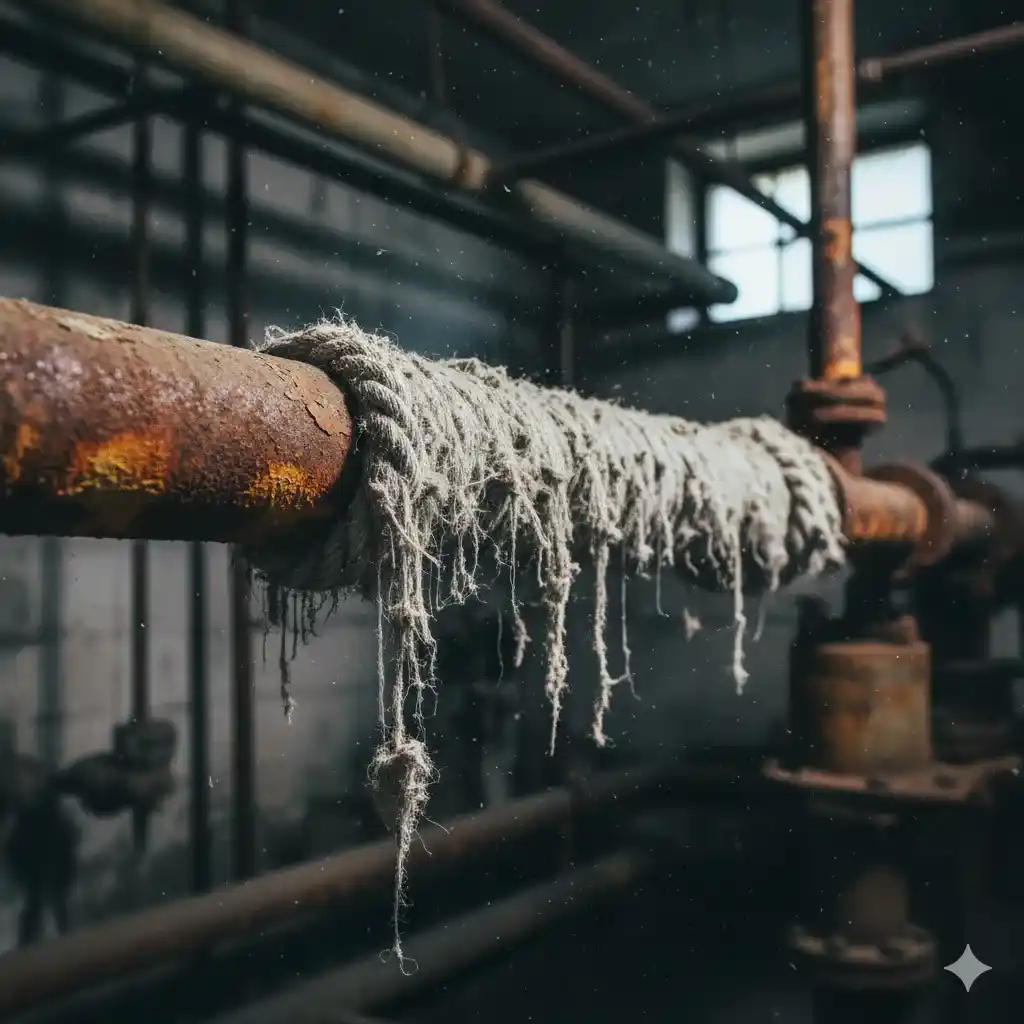
❌ Wrong. Even solid-looking asbestos can release fibers if it ages, frays, or is damaged.
Myth 3: “I can just throw it away in the trash.”
❌ Dangerous. Asbestos disposal must follow strict regulations to prevent contamination.
Conclusion: Beyond the Name
The term asbestlint may cause confusion, but the reality is simple: it refers to asbestos rope and tape, once widely used in construction and industry.
While it may sound like an obscure historical product, the dangers are real and ongoing. Whether you encounter it around an old pipe, stove, or boiler, the rule is the same: do not disturb it and call a professional.
FAQs About Asbestlint
Is “asbestlint” a separate product?
No. It’s just another way of saying asbestos rope/tape, often due to translation.
Where is asbestos rope most commonly found?
In old heating systems, stoves, ovens, and industrial equipment.
Can I test for asbestos myself?
No. Only certified professionals can safely collect and analyze samples.
How dangerous is asbestos rope if left undisturbed?
If intact, risk is lower—but once it frays or is damaged, it becomes highly hazardous.
What should I do if I think I have asbestos in my home?
Do not disturb it. Contact a licensed asbestos inspector for testing and safe management.