Tsunaihaiya: Meaning, Symbolism, and Modern Relevance of a Cultural Tradition
Tsunaihaiya Introduction
Human societies are built on traditions—rituals, practices, and stories that carry the weight of history while guiding the present. One such fascinating tradition is Tsunaihaiya, a cultural phenomenon that blends spirituality, storytelling, and community. Though not widely known outside its cultural roots, Tsunaihaiya reflects the universal human desire for connection, balance, and identity.
This article explores the history, meaning, symbolism, practice, and modern relevance of Tsunaihaiya, showing why it continues to matter in today’s fast-changing world.
What Is Tsunaihaiya?
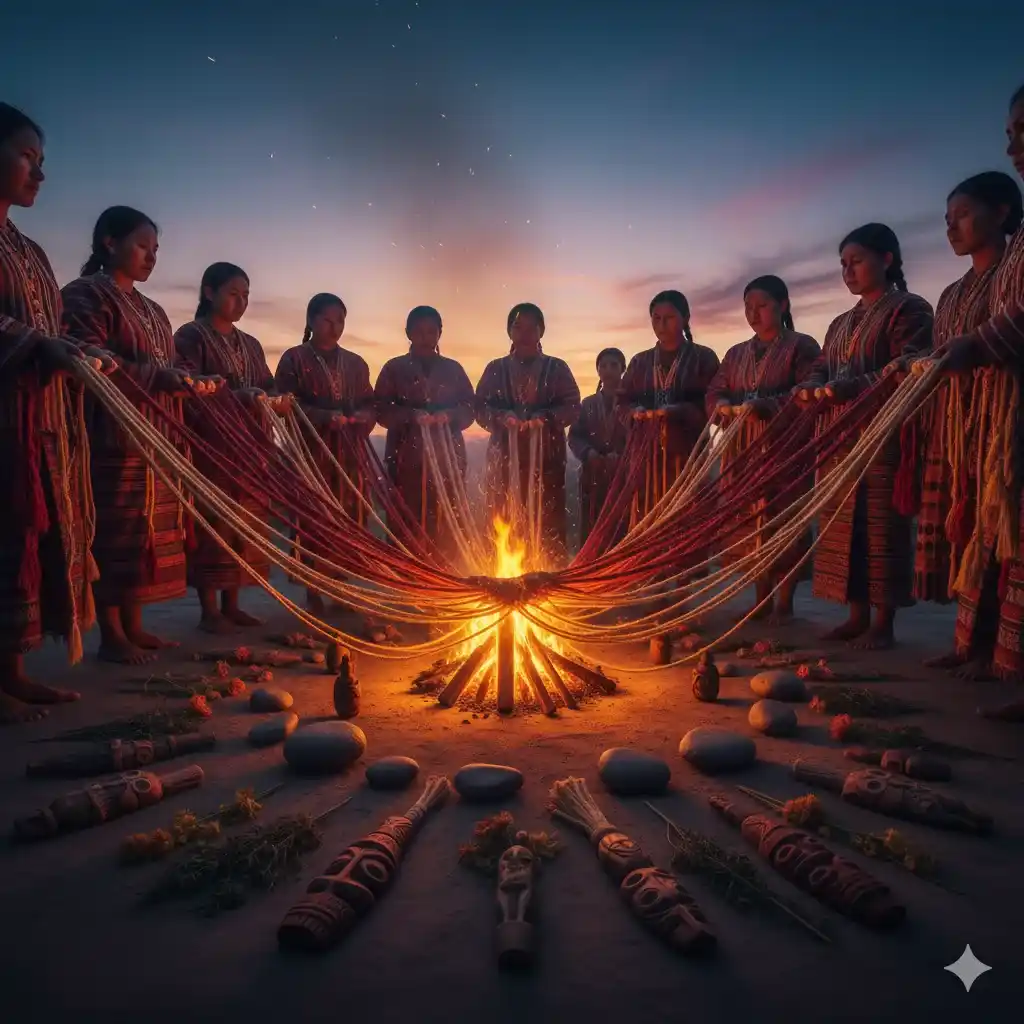
At its core, Tsunaihaiya is a ritualistic and symbolic tradition practiced within certain indigenous communities. The word is often translated as “binding together” or “weaving connections”, reflecting its purpose: uniting families, individuals, and entire communities in shared belonging.
Unlike fleeting cultural fads, Tsunaihaiya has persisted across generations, adapting to modern times while retaining its symbolic strength. It is not just a ritual—it is a philosophy of living, reminding participants that life itself is interconnected.
Historical Roots of Tsunaihaiya

The origins of Tsunaihaiya stretch back centuries, rooted in oral traditions passed down by elders. It first emerged as a way of harmonizing communities during crises, such as:
- Natural disasters
- Conflicts between groups
- Failed harvests or food shortages
Early forms of Tsunaihaiya often included:
- Chanting and Singing → Melodies that invoked ancestral spirits.
- Sacred Objects → Woven threads, stones, or carved symbols of unity.
- Communal Gatherings → Entire villages joining together to celebrate, reconcile, or honor natural cycles.
Over time, Tsunaihaiya became institutionalized as seasonal or annual events, ensuring its survival through countless generations.
Symbolism in Tsunaihaiya
Every gesture, object, and sound in Tsunaihaiya carries symbolic weight.
| Symbol | Meaning |
|---|---|
| Threads & Weaving | Represents interconnected lives, destinies, and stories |
| Circles | Equality, unity, and the eternal cycle of life |
| Fire | Purification, warmth, and collective energy |
| Chants | Preservation of ancestral wisdom and cultural memory |
These elements act as reminders that individuals are threads in a greater fabric of humanity, woven together through shared experience.
The Practice of Tsunaihaiya
Preparation
- Elders select the day, often tied to lunar or seasonal cycles.
- Families prepare offerings—grains, fruits, or handmade crafts—to symbolize gratitude.
Ritual
- A call to gather brings people together in a circle around fire, water, or a sacred object.
- Elders share ancestral stories, strengthening identity and continuity.
- Threads or ribbons are woven together, symbolizing unity.
- Songs, dances, and chants elevate the communal energy.
Closure
- The ritual concludes with a shared feast, reinforcing equality and togetherness.
- Closing blessings often invoke prosperity, peace, and well-being for all.
Tsunaihaiya in Modern Times
Despite modernization, Tsunaihaiya remains relevant today, with communities adapting it to contemporary life:
- Education → Schools teach Tsunaihaiya to preserve cultural identity among youth.
- Festivals → Urban communities celebrate it as part of cultural festivals, sharing the practice with outsiders.
- Therapy → Some see Tsunaihaiya as a form of cultural mindfulness, offering stress relief and emotional healing.
- Global Adaptations → Workshops inspired by Tsunaihaiya are now used in team-building, conflict resolution, and wellness practices worldwide.
Why Tsunaihaiya Matters Today
- Preserving Identity
In an age of globalization, Tsunaihaiya safeguards cultural uniqueness and strengthens community roots. - Fostering Connection
Its philosophy of binding together resonates in fragmented modern societies, reminding us of empathy and cooperation. - Promoting Mental Wellness
With stress and isolation rising, the meditative chants and communal gathering of Tsunaihaiya provide grounding and calm. - Encouraging Ecological Awareness
By aligning with natural cycles, Tsunaihaiya teaches respect for the environment—a vital lesson in today’s climate crisis.
Global Interest in Tsunaihaiya
Although deeply rooted in its origins, Tsunaihaiya has caught global attention:
- Anthropologists study its role in preserving cultural identity.
- Sociologists see it as a tool for strengthening social bonds.
- Spiritual seekers embrace its practices for mindfulness and inner peace.
Similarities have been drawn between Tsunaihaiya and:
- Native American talking circles
- Japanese tea ceremonies
- African communal dances
This cross-cultural appreciation shows that while traditions differ in form, they often share the same essence: unity and harmony.
Challenges Facing Tsunaihaiya
Despite its resilience, Tsunaihaiya faces challenges:
- Urban Migration → Younger generations moving to cities may lose touch with the practice.
- Commercialization → Some versions are marketed for tourism, risking dilution of meaning.
- Generational Gaps → Elders fear the symbolic depth may fade with younger participants.
Balancing authentic preservation with adaptation is key to its survival.
The Future of Tsunaihaiya
The future depends on how communities nurture and adapt it. Already, modern adaptations include:
- Integrating digital storytelling to preserve oral traditions.
- Using eco-conscious rituals to align with sustainability.
- Blending modern music and art with traditional chants.
If carefully preserved, Tsunaihaiya can thrive as both a cultural treasure and a global philosophy of unity, mindfulness, and heritage.
Conclusion
Tsunaihaiya is more than a cultural ritual—it is a living philosophy. Through weaving, chanting, and communal gathering, it speaks to the timeless human need for connection, meaning, and harmony.
In today’s fragmented, fast-paced world, Tsunaihaiya feels especially urgent. It reminds us that we are all threads in a greater fabric—woven together by shared humanity.
FAQs About Tsunaihaiya
What does Tsunaihaiya mean?
It translates roughly to “binding together” or “weaving connections.”
Is Tsunaihaiya still practiced today?
Yes. While less common in cities, many communities still celebrate it during seasonal festivals and gatherings.
Why is Tsunaihaiya important?
It preserves identity, strengthens social bonds, promotes mindfulness, and connects people to nature.
Can outsiders participate in Tsunaihaiya?
In some cultural festivals, yes. However, authentic rituals are usually community-specific.
How is Tsunaihaiya similar to other traditions?
It shares similarities with global practices like talking circles, tea ceremonies, and communal dances, all emphasizing unity and presence.