Calamariere: History, Recipes, and Global Variations of Squid Cuisine
Calamariere Introduction
From Mediterranean fishing villages to trendy New York eateries, calamariere—a dish centered on squid—has captivated food lovers across the globe. Known for its tender texture, savory flavor, and versatility, calamariere is far more than a starter on a seafood menu. It’s a dish that carries history, culture, and culinary creativity in every bite.
In this article, we’ll explore the origins of calamariere, its global variations, health benefits, popular preparations, and how you can cook it at home. Whether you’re a passionate foodie or simply curious about seafood, calamariere offers a fascinating story worth savoring.
The Origins of Calamariere
Ancient Beginnings
The story of calamariere begins in the Mediterranean, where squid was a staple of ancient diets. Both Greeks and Romans prepared squid by grilling or frying it in olive oil, appreciating its delicate yet meaty texture.
Italian Influence
In Italy, calamariere evolved into a beloved coastal dish. Families passed down recipes, blending local spices and traditions. Over time, it became a symbol of Italian seafood cuisine, enjoyed in both casual trattorias and festive gatherings.
Global Journey
As Italian and Mediterranean immigrants traveled abroad, they brought calamariere with them. From the tapas bars of Spain to the izakayas of Japan, the dish adapted to local flavors, proving its universal appeal.
Today, calamariere represents culinary fusion, blending heritage with modern creativity.
Variations of Calamariere Around the World
Italy: The Classic Fried Rings
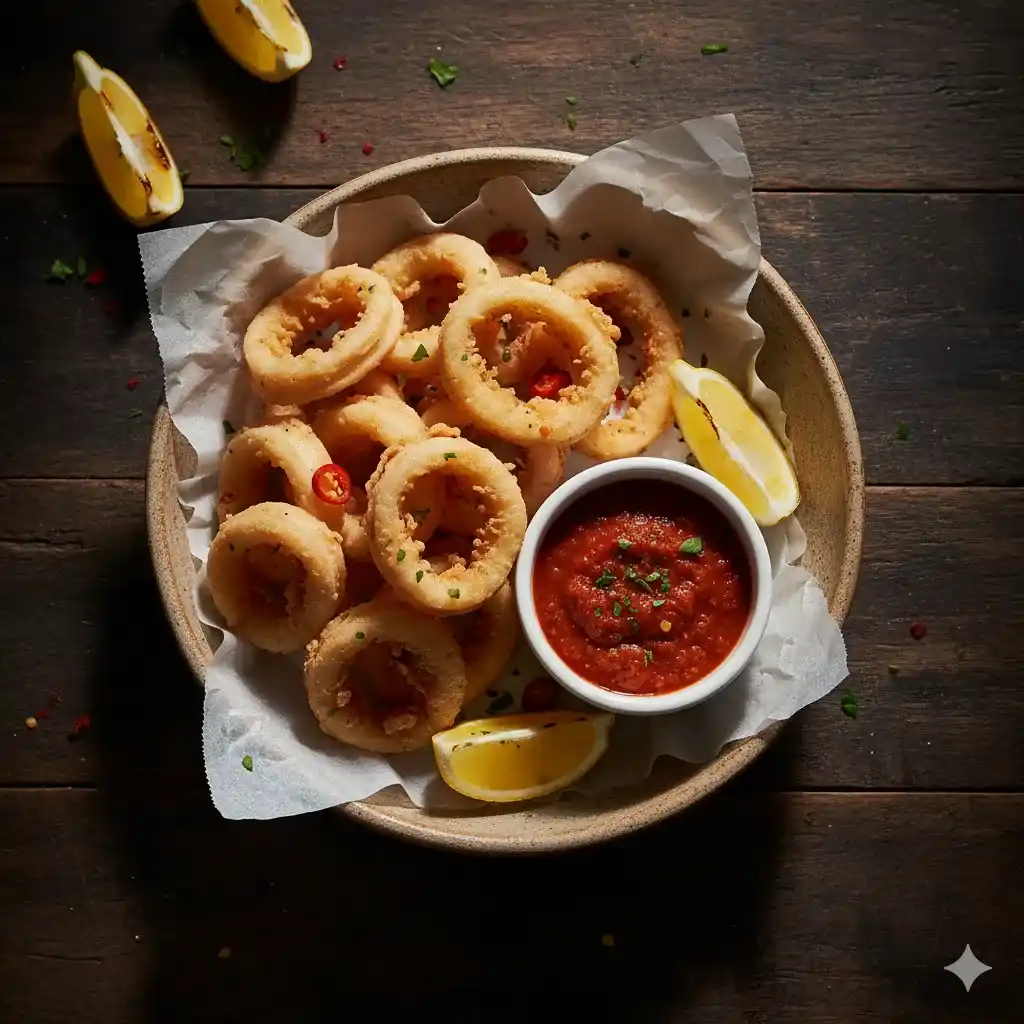
- Golden, crispy squid rings served with lemon wedges and marinara sauce.
- Simple but iconic—often the first version people try.
Japan: Ikayaki (Grilled Squid Skewers)
- Squid grilled over hot coals, brushed with soy or miso glaze.
- Served at summer festivals, capturing the heart of Japanese street food.
Spain: Tapas-Style Calamares
- Lightly battered squid seasoned with garlic and parsley.
- Perfect for sharing with friends alongside sangria.
Southeast Asia: Spicy Calamari
- Squid marinated in sambal, chili paste, or lemongrass sauces.
- Bold, fiery, and packed with local spice blends.
North America: Fusion Cuisine
- Found in seafood restaurants and upscale dining spots.
- Often paired with aioli, spicy sriracha dips, or incorporated into pasta.
Each version highlights how calamariere adapts to regional palates while maintaining its essence.
Health Benefits of Calamariere
Calamariere isn’t just delicious—it’s nutritious too.
- Rich in Protein – Supports muscle repair and energy.
- Low in Calories – Filling without being heavy, ideal for lighter diets.
- Packed with Vitamins & Minerals – Includes vitamin B12, selenium, and zinc for brain and immune health.
- Heart-Healthy Omega-3s – Reduces cholesterol and inflammation, protecting cardiovascular health.
- Antioxidant Properties – Supports skin health and fights cellular aging.
When prepared mindfully (grilled or sautéed instead of heavily fried), calamariere can be a nutrient-dense addition to your diet.
Creative Ways to Cook and Enjoy Calamariere
1. Grilled Calamariere
- Marinate in olive oil, garlic, and fresh herbs.
- Grill until slightly charred for a smoky flavor.
2. Calamariere Fritters
- Combine chopped squid with chickpea flour and spices.
- Fry until golden for a Mediterranean-inspired snack.
3. Pasta with Calamariere
- Toss squid with pasta, cherry tomatoes, capers, and olives.
- A light yet flavorful Italian classic.
4. Calamariere Salad
- Pair sautéed squid with mixed greens, avocado, and citrus.
- Refreshing, colorful, and healthy.
5. Asian Fusion Rolls
- Use squid in sushi or spring rolls.
- Adds unique texture and flavor to fusion dishes.
Famous Restaurants Serving Calamariere
Italy
- Naples & Amalfi Coast trattorias – Fried calamari with lemon and parsley.
Spain
- Madrid tapas bars – Small plates of calamares fritos, ideal for sharing.
Japan
- Osaka street stalls – Ikayaki skewers brushed with sweet-savory glaze.
North America
- New York & Los Angeles seafood spots – Calamariere with bold dips like aioli or chipotle sauce.
These venues highlight how calamariere continues to shine in both traditional kitchens and modern fine dining.
How to Make Calamariere at Home
Want to enjoy restaurant-quality calamariere at home? Here’s a simple recipe:
Ingredients
- 500g fresh squid (cleaned, cut into rings)
- 1 cup flour
- 1 tsp paprika
- ½ tsp garlic powder
- ½ tsp black pepper
- Oil for frying
- Lemon wedges & dipping sauce (marinara or aioli)
Instructions
- Prepare the squid – Clean and slice into even rings.
- Season the flour – Mix flour with paprika, garlic powder, and pepper.
- Heat oil – Frying pan or deep fryer to 180°C (350°F).
- Coat & Fry – Dip squid in flour, fry until golden (1–2 minutes).
- Drain & Serve – Place on paper towels, serve hot with lemon and sauce.
For a lighter version, try grilling or baking instead of deep frying.
The Cultural Meaning of Calamariere
Calamariere isn’t just food—it’s symbolic:
- In Italy, it represents family, tradition, and coastal living.
- In Japan, it embodies festival spirit and community bonding.
- Globally, it’s a dish that brings people together across tables and cultures.
Its ability to connect heritage with innovation is why calamariere remains so beloved.
Conclusion
Calamariere is more than a seafood dish—it’s a culinary ambassador, traveling across cultures and evolving with every stop. From its ancient Mediterranean roots to modern fusion restaurants, it continues to inspire chefs and delight diners.
Whether you prefer it fried, grilled, or tossed into a pasta, calamariere offers endless possibilities. Making it at home can be a fun way to connect with tradition while exploring new flavors.
Next time you see calamari on a menu—or at your local market—remember you’re tasting centuries of history and global creativity in a single dish.
FAQs About Calamariere
What is calamariere?
Calamariere refers to dishes prepared with squid, often fried, grilled, or marinated, and enjoyed globally.
Is calamari the same as squid?
Yes. “Calamari” is the Italian word for squid, often used to describe squid-based dishes.
Is calamari healthy?
Yes, when grilled or sautéed, it’s a low-calorie, high-protein food with omega-3s and essential vitamins.
What sauces go best with calamariere?
Marinara, garlic aioli, miso glaze, chili sauces, or citrus-based dips complement its flavor.
Can I cook calamariere at home?
Absolutely! Fresh squid, simple seasoning, and quick cooking are the keys to tender, flavorful results.


