How GPS Trackers Help People and Car Safety

GPS Trackers as Everyday Safety Tools
You don’t think much about safety until something feels off. A late drive home with no signal. A car that doesn’t show up where you parked it. A family member who said they arrived but never did. Those small moments of uncertainty sit heavier than most people expect.
GPS trackers used to feel niche, almost technical. They were tools for logistics teams, delivery fleets, or hardcore navigation needs. That’s changed. Today, GPS tracking fits quietly into everyday life, helping people stay aware of where things are when it matters most.
The shift isn’t about directions anymore. It’s about visibility. Knowing where a car is parked, how it’s moving, or whether someone arrived safely brings clarity to situations that used to rely on guesswork.
As daily travel becomes busier and less predictable, people want answers without making a dozen calls or assumptions. GPS trackers now support two core needs: personal safety and vehicle safety. Both start with the same thing, clear, reliable awareness.
What a GPS Tracker Is and How It Works (Simple Explanation)
A GPS tracker is a small device that reports location. You see that location on your phone or computer using an app or a secure website. You open it, and the location is there. No complicated steps.
Many people already use smartphone location apps, and those can help in some situations. The difference is reliability. Phones depend on battery life, signal strength, and user settings. A dedicated GPS tracker is built to do one thing well. It keeps reporting locations without needing constant attention.
The focus is not the technology behind it. Most people never think about satellites or signals, and they do not need to. What matters is awareness. Where is the car right now? Did someone arrive where they said they would? Is an item still where it should be?
Most modern GPS trackers work quietly in the background. Once they are set up, they update automatically. You check when you need information and ignore them the rest of the time. That ease of use is why GPS tracking is no longer limited to technical users.
How GPS Trackers Support Personal Safety
Personal safety usually shows up in ordinary situations, not emergencies. It starts with moments where you want someone to know where you are without stopping what you are doing.
I often see GPS trackers used during solo commuting, especially late at night. If you are driving home after a long shift, sending updates every few minutes is distracting. With a tracker, someone you trust can see that you are moving and roughly where you are, without interrupting your drive.
Outdoor activities bring similar concerns. Hiking, biking, or traveling through unfamiliar areas often means weak signals. Phones lose service or drain faster than expected.
GPS trackers help in situations like:
- Walking or commuting alone after dark
- Traveling through unfamiliar areas
- Spending time outdoors where signal drops
- Situations where stopping to text feels unsafe
Another common issue is battery failure. A phone dies. A charger gets forgotten. Communication stops without warning. A GPS tracker keeps reporting location even when the phone does not.
The point is not to watch someone. It is about preparedness. When communication fails, location information is already there. That helps people react calmly instead of guessing what might be wrong.
Family Safety and Shared Responsibility
Family coordination sounds simple until real life gets involved. Someone leaves early. Someone runs late. Phones get silenced right when answers matter.
GPS trackers often help families stay aligned during busy outings. Theme parks, festivals, crowded shopping areas. Instead of calling or texting repeatedly, you can check the location and move on.
They are also common in families with elderly relatives. Many older adults want to stay independent, and constant check-ins can feel intrusive. A GPS tracker allows quiet awareness. They keep their routine. Family members stay informed without hovering.
Travel adds another layer. Road trips, separate flights, different arrival times. Location sharing fills the gaps when plans do not line up perfectly.
Families often rely on GPS trackers to:
- Coordinate during large outings
- Support elderly family members living independently
- Share awareness during travel
- Reduce constant check-in messages
The balance matters. GPS trackers work best when everyone understands why they are used and agrees to them. When handled openly, they support independence while adding safety that feels practical instead of controlling.
Car Safety: One of the Most Common GPS Tracker Uses
Cars move, sit unattended, and change locations constantly. That alone explains why vehicle tracking is so common.
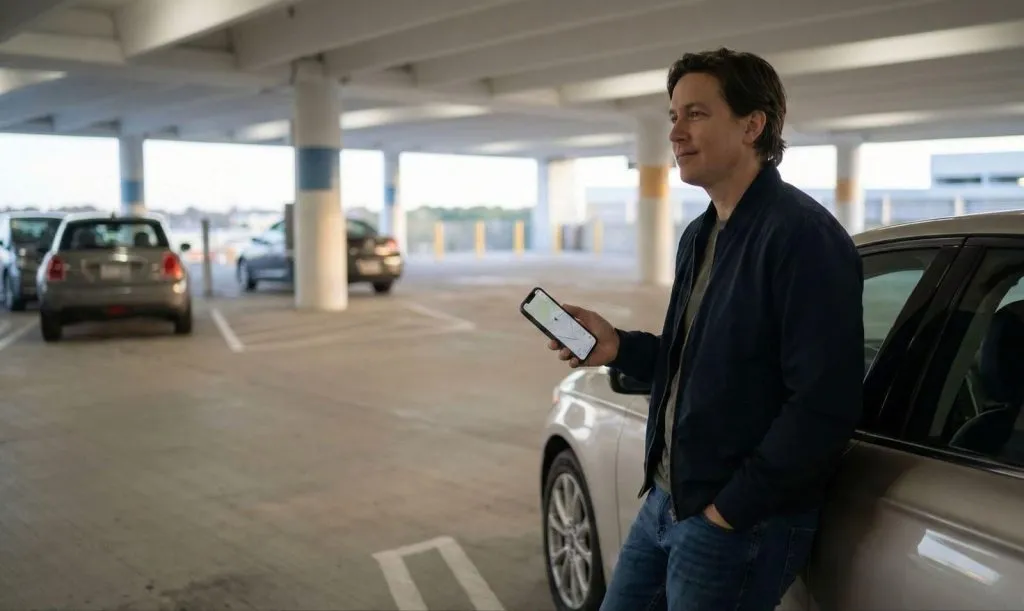
Many drivers use BrickHouse security GPS trackers just to locate their car in busy or unfamiliar places. Large parking lots, city streets, airport garages. Instead of walking around clicking the lock button, you check the app and head straight to it.
The bigger reason is awareness. If a car moves when it should not, you know. That matters for theft recovery, but it also helps with everyday situations. A shared vehicle used unexpectedly. A teen taking a longer route than planned. A car leaving a parking spot overnight.
Common vehicle-related uses include:
- Finding a car parked in unfamiliar areas
- Noticing unauthorized movement and Managing shared family vehicles
- Monitoring long drives or overnight parking
A GPS tracker does not replace locks or alarms. It adds another layer. One focused on visibility. Instead of guessing where the car is or what happened, you check and confirm. That clarity is why car tracking remains one of the most practical uses for GPS devices.
GPS Trackers in Travel and Daily Movement
Travel tends to amplify uncertainty. Long distances, unfamiliar routes, and unpredictable delays all stack up quickly.
Road trips are a common example. Cars break down. Routes change. Phones lose signal. A GPS tracker provides backup awareness when things do not go as planned.
Unfamiliar destinations bring similar challenges. You may not know the area well, and mobile coverage can vary. Rental vehicles add another layer since they are not yours and are often parked in large or crowded areas.
GPS trackers are often used during:
- Long road trips and travel through unfamiliar regions
- Rental car use and areas with unreliable mobile coverage
The benefit is not constant monitoring. It reduces stress. When something unexpected happens, location information is already available. That saves time, cuts confusion, and helps people focus on solving the problem instead of searching for answers.
Emergency Situations Where GPS Trackers Make a Difference
Emergencies rarely announce themselves clearly. They usually start as delays, confusion, or silence.
A vehicle breaks down on a remote road. A medical issue interrupts plans. Someone gets separated in a crowded place. Communication may be limited or unclear.
Accurate location data helps in practical ways:
- Assistance reaches the right place faster
- Instructions stay clear and specific
- Coordination improves between people involved
Instead of explaining where you might be, location information shows it. That reduces miscommunication during stressful moments.
GPS trackers do not prevent emergencies. They help people respond better when one happens. When time matters, knowing where to go often matters more than knowing what went wrong first.
Key Features That Make GPS Trackers Effective for Safety
Certain features make GPS trackers useful in safety situations. These focus on clarity, not complexity.

Key features include:
- Real-time or near real-time location updates
- Geofence alerts when movement crosses set areas
- Reliable connectivity across different regions
- Simple apps that are easy to check quickly
- Secure handling of location data
Most users care less about advanced settings and more about consistency. A tracker that updates when expected and is easy to check tends to be more valuable than one packed with rarely used features.
Responsible and Ethical Use of GPS Trackers
GPS tracking works best when used responsibly. Consent matters. Transparency matters.
People should know when tracking is in place and why it exists. Using GPS trackers for safety is very different from using them to monitor behavior or control movement.
In shared or family situations, clear communication avoids tension. Everyone understands the purpose and the limits.
Responsible use includes:
- Getting consent when possible
- Explaining how data is used
- Limiting tracking to safety-related reasons
- Respecting privacy boundaries
When those principles are followed, GPS trackers support trust instead of damaging it.
Conclusion: GPS Trackers as Part of Modern Safety Awareness
GPS trackers have become practical tools for everyday safety. They support both people and vehicles by improving awareness when communication fails or plans change.
They do not replace judgment, attention, or responsibility. They add clarity. Whether it is personal travel, family coordination, or car safety, location awareness helps people respond calmly instead of guessing.
As movement becomes more complex and unpredictable, tools that support preparation matter more. Used responsibly, GPS trackers fit naturally into modern life as quiet support systems that help people stay informed and connected when it counts.
FAQs
Are GPS trackers legal to use for personal or vehicle safety?
Yes, GPS trackers are legal when used on your own vehicle or with clear consent from the person being tracked. Most laws focus on privacy and misuse, not safety-related tracking. Problems usually arise only when tracking is done secretly or without permission.
Do GPS trackers work if a phone battery dies or loses signal?
Yes. Dedicated GPS trackers operate independently from your phone. Even if a phone battery dies, gets turned off, or loses signal, the tracker can continue sending location updates using its own power and connectivity.
Are GPS trackers used for safety or for monitoring people?
GPS trackers are designed to support safety and awareness, not to monitor behavior. When used responsibly and transparently, they help people stay informed during travel, emergencies, or unexpected situations without constant check-ins.