Nahttypen: Types of Seams in Sewing, Fashion & Textile Design
Nahttypen Introduction
In sewing, tailoring, and textile production, nahttypen (German for types of seams) form the foundation of garment construction. A seam is not just a line of stitches — it holds fabrics together, ensures durability, and adds to the garment’s overall look.
Whether you are a beginner or an experienced tailor, mastering nahttypen allows you to choose the right seam for functionality, design, and strength.
What Are Nahttypen?
Nahttypen are seam types used to join fabrics. Each seam balances strength, flexibility, and appearance depending on factors such as:
- Fabric thickness and texture
- Garment design and purpose
- Durability needs
- Aesthetic requirements
Choosing the right seam ensures garments last longer and look professional.
Importance of Nahttypen in Sewing and Fashion
Nahttypen are more than technical stitches. In fashion, they influence comfort, fit, and design aesthetics. In industrial textiles, seams determine safety, strength, and performance
Common Categories of Nahttypen
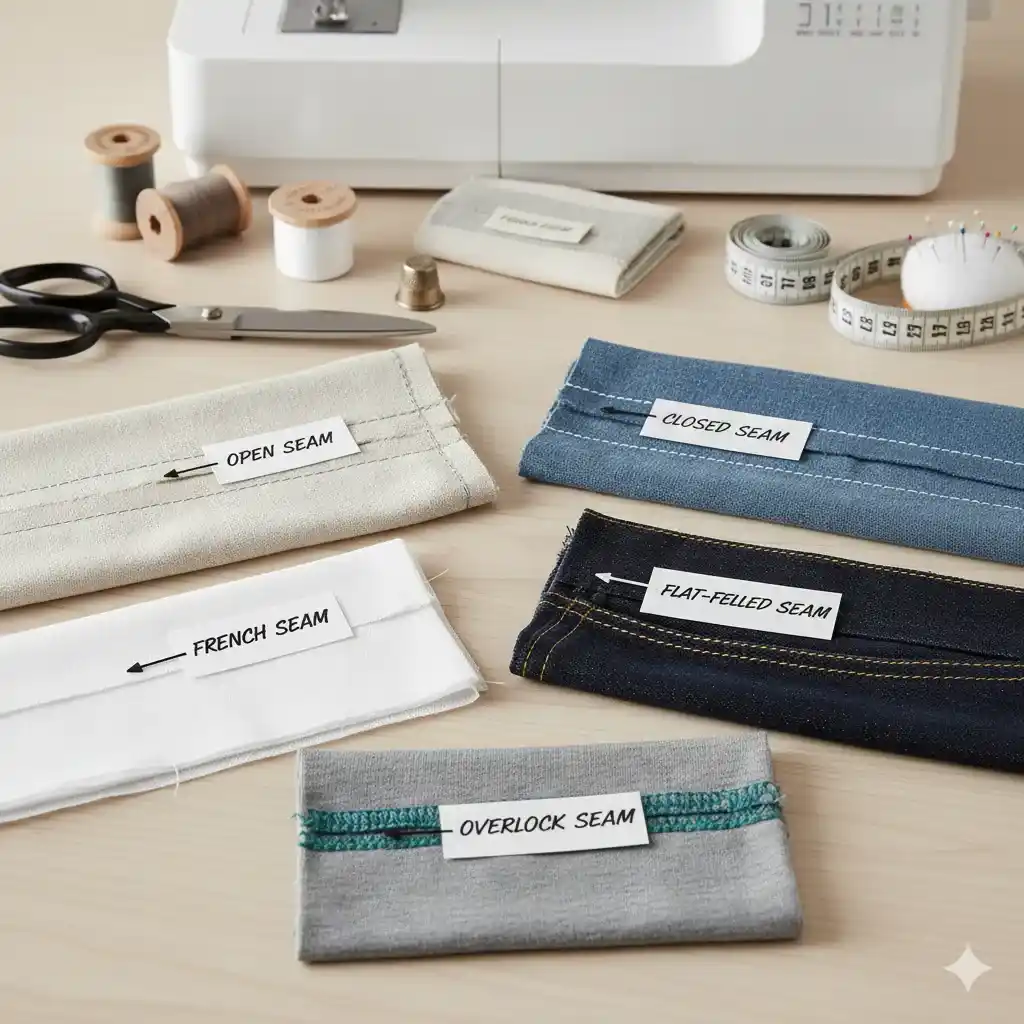
Open Seam (Offene Naht)
- Basic seam, pressed apart after stitching
- Ideal for lightweight fabrics
- Common in dresses and blouses
Closed Seam (Geschlossene Naht)
- Stronger than open seams, allowances pressed to one side
- Used in jeans, jackets, and sportswear
French Seam (Französische Naht)
- Raw edges enclosed, polished interior finish
- Best for delicate fabrics like silk and chiffon
Flat-Felled Seam (Kappnaht)
- Extremely durable, prevents fraying
- Popular in denim, uniforms, and outdoor wear
Overlock Seam
- Neat and stretchable finish
- Perfect for knits, activewear, and stretchy fabrics
Comparison of Major Nahttypen
| Seam Type | Best For | Strength Level | Aesthetic Appeal | Common Uses |
|---|---|---|---|---|
| Open Seam | Lightweight fabrics | Medium | High | Dresses, blouses |
| Closed Seam | Heavy fabrics | High | Medium | Jeans, jackets |
| French Seam | Delicate fabrics | Medium | Very High | Lingerie, silk dresses |
| Flat-Felled | Strong garments | Very High | Moderate | Denim, uniforms, sportswear |
| Overlock | Stretch fabrics | High | Neat finish | Activewear, knits |
Nahttypen in Fashion and Design
- Princess seams create body-shaping elegance in dresses.
- Topstitched seams add bold, decorative detail in casual wear.
- Invisible seams enhance luxury garments by hiding stitches.
Nahttypen in Industrial Applications
- Automotive upholstery uses flat-felled seams for strength.
- Sailmaking applies zigzag seams to withstand wind pressure.
- Outdoor gear (tents, backpacks) relies on reinforced seams for durability.
Factors to Consider When Choosing a Seam
- Fabric Weight – French seams for lightweight, flat-felled for heavy denim.
- Garment Use – Invisible seams for formal wear, topstitching for casual.
- Durability Needs – Reinforced seams for uniforms or workwear.
- Design Goals – Decorative seams for aesthetic appeal.
Modern Innovations in Nahttypen
Advances in textile technology have introduced new seam methods:
- Laser-sealed seams for waterproof sportswear
- Bonded seams using heat/adhesives for a seamless look
- Stretch seams for athletic and performance apparel
Tips for Perfecting Nahttypen
- Match seam type to fabric characteristics
- Use correct stitch length and quality thread
- Press seams for a clean finish
- Reinforce stress points with double stitching
Conclusion
Nahttypen are at the heart of sewing, tailoring, and textile design. From delicate French seams to durable flat-felled seams, each type offers unique benefits for strength, durability, and aesthetics.
As textile technology evolves, seam techniques will continue to adapt, blending tradition with innovation. For learners, practicing different seam types builds skill, while professionals can leverage nahttypen for quality production and creative design.
FAQs
What does “nahttypen” mean?
It’s a German term for types of seams used in sewing and garment construction.
Which seam is strongest?
Flat-felled seams are among the strongest and are widely used in denim and uniforms.
Which seam works best for delicate fabrics?
French seams are ideal for silk, chiffon, and other delicate materials.
What seam is used in stretch fabrics?
Overlock seams, which stretch with the fabric, are best for knits and activewear.
Are there modern seam innovations?
Yes — bonded, laser-sealed, and stretch seams are widely used in sportswear and performance apparel.