Understanding Repmold: The Future of Sustainable Manufacturing
The world of manufacturing is on the brink of a revolution. With rising environmental concerns and sustainability becoming a global priority, industries can no longer rely solely on traditional production models. Companies are under pressure to reduce waste, cut carbon emissions, and adopt eco-friendly practices.
Enter Repmold—a groundbreaking approach that redefines how products are made. Combining advanced technology, recycling innovation, and circular economy principles, repmold offers industries the chance to minimize their ecological footprint while meeting consumer demand for greener products.
But what makes repmold so unique? And how can it change the future of global manufacturing? Let’s explore its origins, benefits, challenges, and real-world applications in detail.
What is Repmold?
Repmold is an innovative manufacturing method designed to integrate sustainability at its core. Unlike traditional linear production (“take–make–dispose”), repmold focuses on:
- Recycling – Transforming discarded products into raw material for new goods.
- Reusability – Extending the lifecycle of resources to reduce dependency on virgin materials.
- Circular Economy – Closing the loop so that materials circulate continuously instead of ending in landfills.
Key Characteristics of Repmold
- Eco-Friendly Materials – Uses recycled plastics, metals, and composites.
- Advanced Processing – Employs efficient technologies that reduce energy consumption.
- High-Quality Output – Produces goods that meet or exceed durability standards.
From automotive components to consumer electronics, repmold is already being tested in multiple industries as a practical path to greener production.
The Environmental Impact of Traditional Manufacturing
To understand why repmold matters, it’s important to see what’s wrong with current systems.
- High Emissions
- Manufacturing contributes nearly 30% of global greenhouse gas emissions.
- Factories rely heavily on fossil fuels, driving climate change.
- Resource Depletion
- Metals, plastics, and fossil fuels are extracted at unsustainable rates.
- Mining and drilling destroy natural habitats and biodiversity.
- Waste & Pollution
- Over 2 billion tons of solid waste is generated annually, with manufacturing playing a large role.
- Landfills overflow with non-biodegradable waste, while water systems suffer from chemical runoff.
- Energy Intensity
- Most traditional production relies on non-renewable, high-energy processes, worsening carbon footprints.
These flaws make sustainable alternatives like repmold not just appealing but urgent.
How Repmold Aims to Change the Game
Repmold is designed to tackle these issues through efficiency, innovation, and circularity.
- Turning Waste into Resources – Instead of discarding old products, repmold processes them into new, high-quality raw materials.
- Conserving Resources – Less dependency on virgin materials means fewer mines, drills, and destroyed ecosystems.
- Energy Efficiency – Uses modern machinery that consumes less energy compared to traditional factories.
- Sustainable Branding – Meets consumer demand for eco-friendly goods without compromising quality.
For example, Adidas created sneakers from repurposed ocean plastics, proving that waste can be turned into high-value consumer products. This is the essence of repmold in action.
Advantages of Repmold for Businesses and Consumers
For Businesses
- Lower Costs Over Time – Reduced dependency on raw materials decreases long-term expenses.
- Competitive Advantage – Sustainability improves brand reputation and attracts eco-conscious customers.
- Innovation Opportunities – Repmold encourages experimentation with new designs and materials.
- Regulatory Compliance – Anticipates stricter global sustainability laws, keeping businesses future-proof.
For Consumers
- Affordable Green Products – Recycling lowers production costs, keeping prices consumer-friendly.
- Sustainability Assurance – Shoppers feel confident purchasing eco-responsible products.
- Customization Flexibility – Repmold processes allow more unique, consumer-driven designs.
This win-win scenario strengthens the relationship between brands, buyers, and the planet.
Comparison: Traditional Manufacturing vs. Repmold
| Factor | Traditional Manufacturing | Repmold Manufacturing |
|---|---|---|
| Raw Materials | Virgin extraction | Recycled & reused |
| Waste Generation | High (landfills, toxins) | Low (circular loop) |
| Energy Use | Fossil-fuel dependent | Energy-efficient |
| Cost Over Time | Rising with scarcity | Lower through recycling |
| Environmental Impact | High emissions, pollution | Reduced footprint |
| Consumer Appeal | Neutral/declining | Growing demand for green products |
This table illustrates how repmold solves the core weaknesses of traditional models.
Challenges and Limitations of Repmold
Repmold is promising but faces obstacles:
- High Initial Investment
- Companies must invest in new machines, training, and supply chain adjustments.
- Scalability Issues
- Small operations adapt quickly, but global giants need time to integrate repmold processes.
- Quality Control
- Consistency can be tricky when working with varied recycled inputs.
- Consumer Awareness
- Many shoppers still don’t know about repmold or confuse it with “greenwashing.”
Overcoming these requires government support, public education, and gradual adoption.
Real-World Applications of Repmold
Repmold is already being tested across industries:
- Automotive – Tesla and other EV companies are exploring recycled parts for engines and interiors.
- Fashion – Adidas’ repmold sneakers made from ocean waste became global icons.
- Electronics – Apple has pledged to use 100% recycled aluminum in some devices.
- Packaging – Biodegradable repmold containers are replacing single-use plastics.
- Construction – Eco-bricks and modular panels are now produced from industrial waste.
These cases show that repmold is more than theory—it’s shaping real-world markets.
The Role of Government and Regulations
Government intervention is essential for mass adoption.
- Incentives – Tax breaks for companies that implement repmold processes.
- Regulations – Emission laws pushing industries toward eco-innovation.
- Funding – Research grants for sustainable technologies.
- Awareness Campaigns – Educating citizens about the benefits of sustainable products.
Europe already leads the way with Extended Producer Responsibility (EPR) laws, holding companies accountable for product lifecycles.
Future Outlook for Repmold
The future of repmold is promising and global.
- Tech Integration – AI and automation will streamline recycling and production.
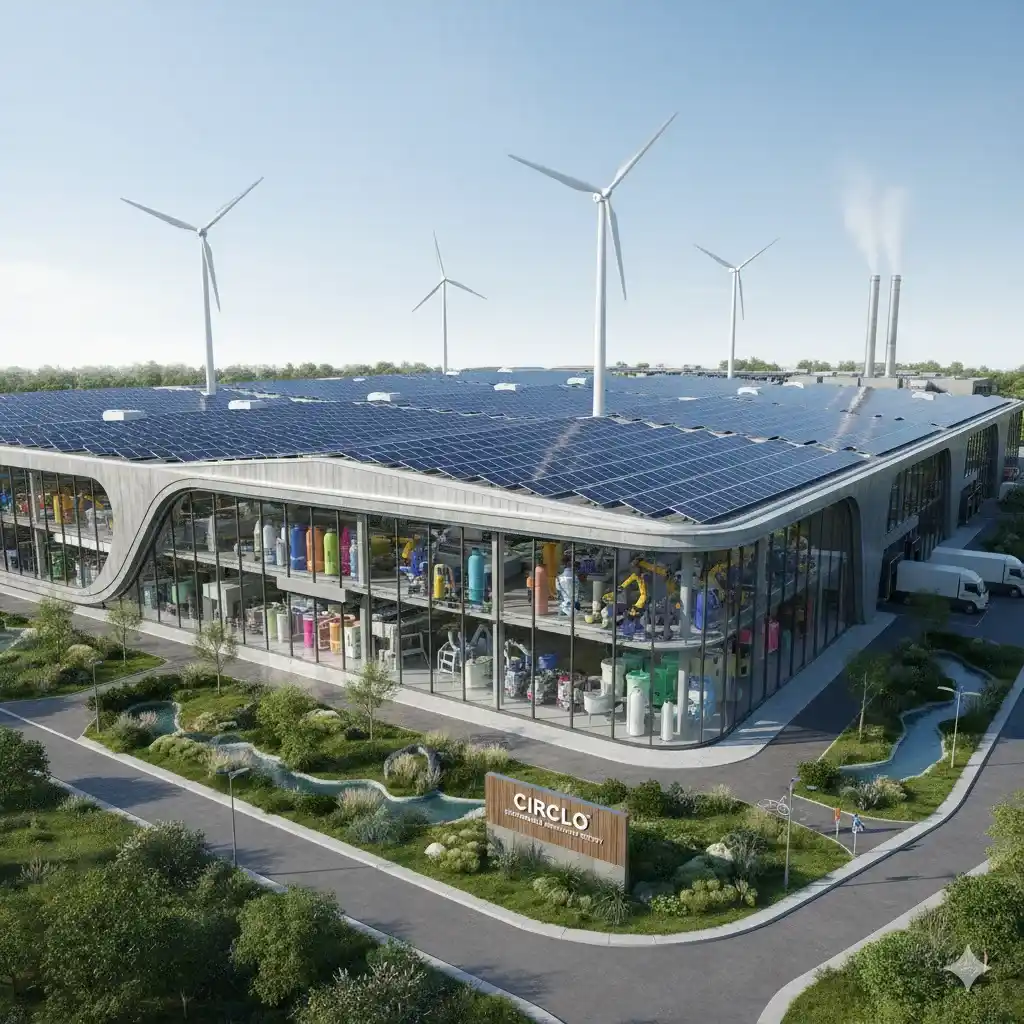
- Green Energy Synergy – Solar- and wind-powered factories will boost sustainability.
- Mainstream Adoption – Within the next decade, repmold may become as standard as recycling bins.
- Circular Cities – Urban hubs may develop “closed-loop” ecosystems powered by repmold principles.
If widely adopted, repmold could reduce manufacturing-related emissions by 20–25% over the next 20 years.
FAQs About Repmold
What industries benefit most from repmold?
Automotive, packaging, fashion, and electronics are early leaders, but all industries can benefit.
Is repmold cost-effective?
Yes—while initial setup is costly, long-term material and energy savings make it profitable.
Does repmold affect product quality?
No—modern processes ensure products are durable, often matching or exceeding traditional quality.
Can small businesses adopt repmold?
Yes—smaller operations can often integrate repmold quicker than large corporations.
How does repmold support a circular economy?
By reusing materials instead of discarding them, repmold ensures waste continuously re-enters production.
Conclusion: Embracing a Greener Future with Repmold
Repmold represents more than a technological shift—it’s a paradigm change in how industries approach production. By turning waste into resources, lowering costs, and supporting circular economy principles, repmold allows companies to thrive while preserving the planet.
For businesses, it offers profitability with responsibility. For consumers, it provides eco-friendly products without compromise. For governments, it supports climate goals and sustainable growth.
The journey toward mass adoption may face challenges, but the payoff is clear: a world where sustainability is not optional but standard.
Choosing repmold means choosing innovation, efficiency, and environmental stewardship. It’s not just the future of manufacturing—it’s the foundation for a greener, smarter economy.