Bardoek Cuisine: Traditional Dishes, Flavors, and Foodie Guide
Bardoek Cuisine Introduction
Food is more than sustenance—it’s culture, memory, and identity on a plate. Few places embody this truth as richly as Bardoek. Nestled at the crossroads of tradition and innovation, Bardoek is a culinary haven where every dish tells a story. From bustling markets filled with aromatic spices to cozy family-owned eateries, this destination offers more than just meals—it offers experiences that connect you to generations of heritage.
In this guide, we’ll explore Bardoek’s traditional dishes, its unique blend of flavors, popular food spots, and even how you can recreate its magic at home. Ready for a flavorful journey? Let’s dive in.
Traditional Bardoek Dishes and Their Cultural Origins
Bardoek’s cuisine is steeped in history. Each dish reflects the community’s resilience, creativity, and reverence for local ingredients.
- Koulou – A savory stew of seasonal vegetables, beans, and spices. It represents communal dining traditions, often prepared in large pots for gatherings.
- Maboko – Tender meats marinated with indigenous herbs and slow-cooked. This dish reveals influences from multiple ethnic groups that shaped Bardoek’s culinary heritage.
- Chikoro – Crispy fried street snacks served at festivals. Symbolizing joy and celebration, they are a favorite among locals and visitors alike.
| Dish | Main Ingredients | Symbolism/Occasion |
|---|---|---|
| Koulou | Seasonal vegetables, beans, spices | Community, harvest feasts |
| Maboko | Marinated meats, herbs, roots | Family traditions, unity |
| Chikoro | Flour, oil, spices | Festivals, celebrations |
Each dish acts as a time capsule, preserving cultural memory while adapting to modern palates.
The Unique Blend of Flavors in Bardoek Cuisine
What makes Bardoek cuisine unforgettable is its fusion of bold flavors and fresh ingredients.
- Spices & Herbs: Cumin, turmeric, and coriander bring warmth, while garlic and citrus add brightness.
- Seafood Influence: Thanks to its coastal heritage, grilled fish, shellfish stews, and spiced prawns are staples.
- Vegetarian Richness: Pickled vegetables, roasted roots, and tangy sauces elevate simple ingredients into gourmet experiences.
- Sweet Finishes: Honey-based desserts and nut-filled pastries balance savory richness with delicate sweetness.
The result? A cuisine that’s both comforting and adventurous—perfect for curious foodies.
Popular Restaurants and Street Food Vendors in Bardoek
To truly experience Bardoek, you must eat where the locals do.
- Family-Owned Eateries: Serving recipes passed down for centuries. Their stews, dumplings, and flatbreads embody authenticity.
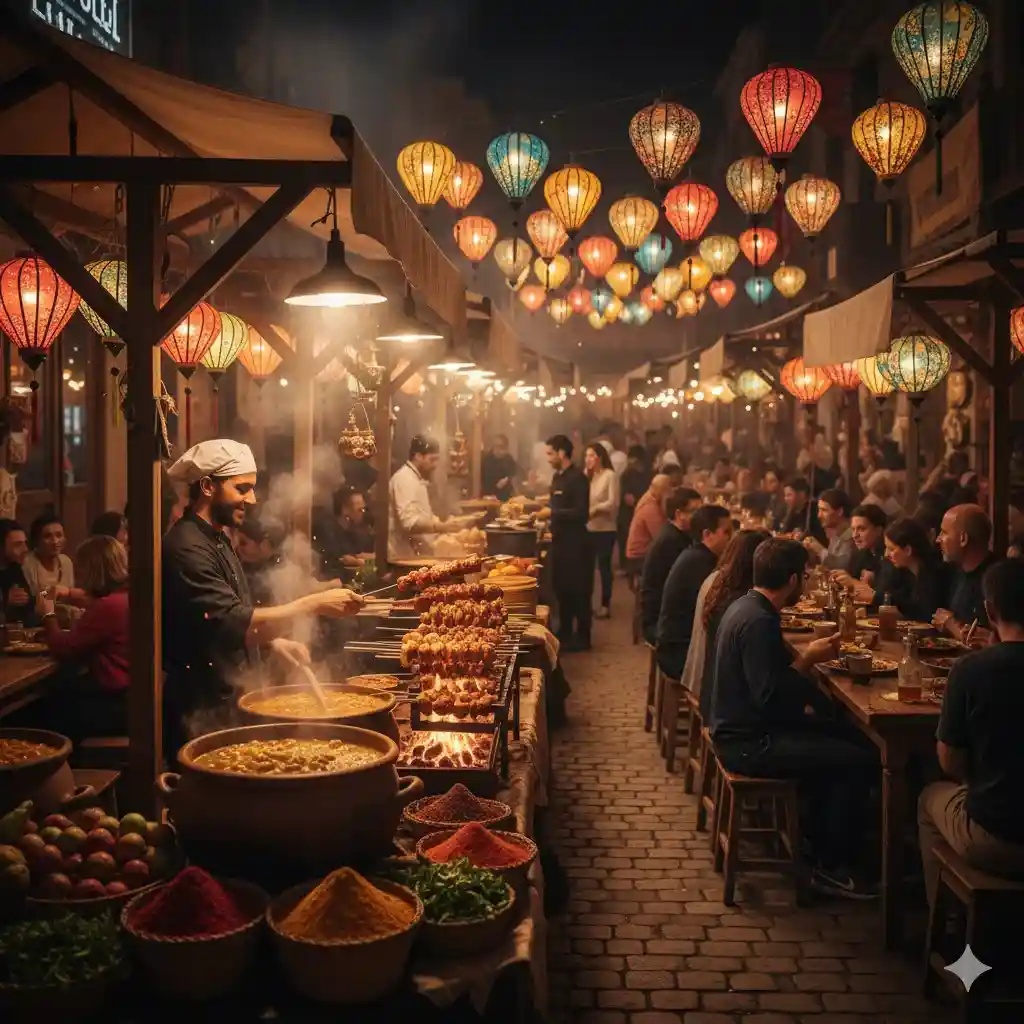
- Street Food Vendors: The lifeblood of Bardoek’s food culture. Expect sizzling skewers, crispy pastries, and fragrant soups.
- Night Markets: Lively hubs where music, conversation, and sizzling grills fill the air. Sampling dishes here is both a cultural and culinary immersion.
Tip: Visit Bardoek’s night markets after sunset—the atmosphere is electric, and the food is at its freshest.
How to Recreate Bardoek Dishes at Home
You don’t have to travel to enjoy Bardoek flavors—bring them into your own kitchen!
- Start with Spices: Stock up on cumin, coriander, turmeric, and chili powder. These are the backbone of many recipes.
- Cook a Classic Stew: Try a version of Koulou—slow-cook vegetables, beans, and meat (optional) with rich spices.
- Side Pairings: Serve with fluffy rice, flatbreads, or spicy salsa for balance.
- Experiment with Textures: Pair crunchy pickles with creamy dips to recreate the layered experience of Bardoek meals.
- Set the Mood: Play traditional Bardoek music while cooking to immerse yourself in the spirit of the cuisine.
Cooking Bardoek dishes is not just about taste—it’s about recreating the atmosphere of togetherness.
Cultural Experiences to Enhance Your Taste of Bardoek
Food in Bardoek is inseparable from culture. Beyond eating, immerse yourself in experiences that bring its cuisine to life.
- Cooking Classes: Learn secrets directly from local chefs. Hands-on participation deepens appreciation for traditional methods.
- Markets: Stroll through stalls overflowing with spices, fresh produce, and handmade condiments. It’s sensory overload in the best way.
- Food Festivals: Celebrate with live music, artisan cooking demonstrations, and endless tastings.
- Guided Tours: Discover the stories behind the dishes—how families and generations shaped traditions that still thrive today.
These experiences transform a meal into a cultural memory, one that stays with you long after you leave Bardoek.
Why Bardoek Belongs on Every Foodie’s Bucket List
A trip to Bardoek is more than a culinary detour—it’s a full-bodied experience where food becomes the language of connection.
- Rich Traditions: Every dish is a story of resilience and heritage.
- Vibrant Flavors: From spicy stews to sweet nut-based desserts, variety is endless.
- Community Spirit: Dining here means sharing—food is the center of relationships.
- Cultural Immersion: Cooking classes, festivals, and markets add depth to the experience.
Whether you’re a foodie chasing new flavors or someone seeking cultural enrichment, Bardoek offers both on one plate.
FAQs About Bardoek Cuisine
What is Bardoek most famous for?
Bardoek is renowned for its hearty stews like Koulou, flavorful marinades like Maboko, and its vibrant street food culture.
Is Bardoek cuisine spicy?
Yes, many dishes use warming spices like cumin and chili, but balance is key. You’ll find mild, tangy, and sweet flavors alongside spicier dishes.
Can vegetarians enjoy Bardoek food?
Absolutely! Pickled, roasted, and stewed vegetables are central to the cuisine, making it highly vegetarian-friendly.
Where is the best place to experience authentic Bardoek cuisine?
Family-owned eateries and bustling night markets are the most authentic and flavorful spots.
Can I recreate Bardoek food at home?
Yes! With the right spices and fresh ingredients, you can easily prepare traditional stews, breads, and snacks in your own kitchen.