Žižole (Jujube Fruit): Benefits, Nutrition, and Timeless Wellness
Žižole Introduction
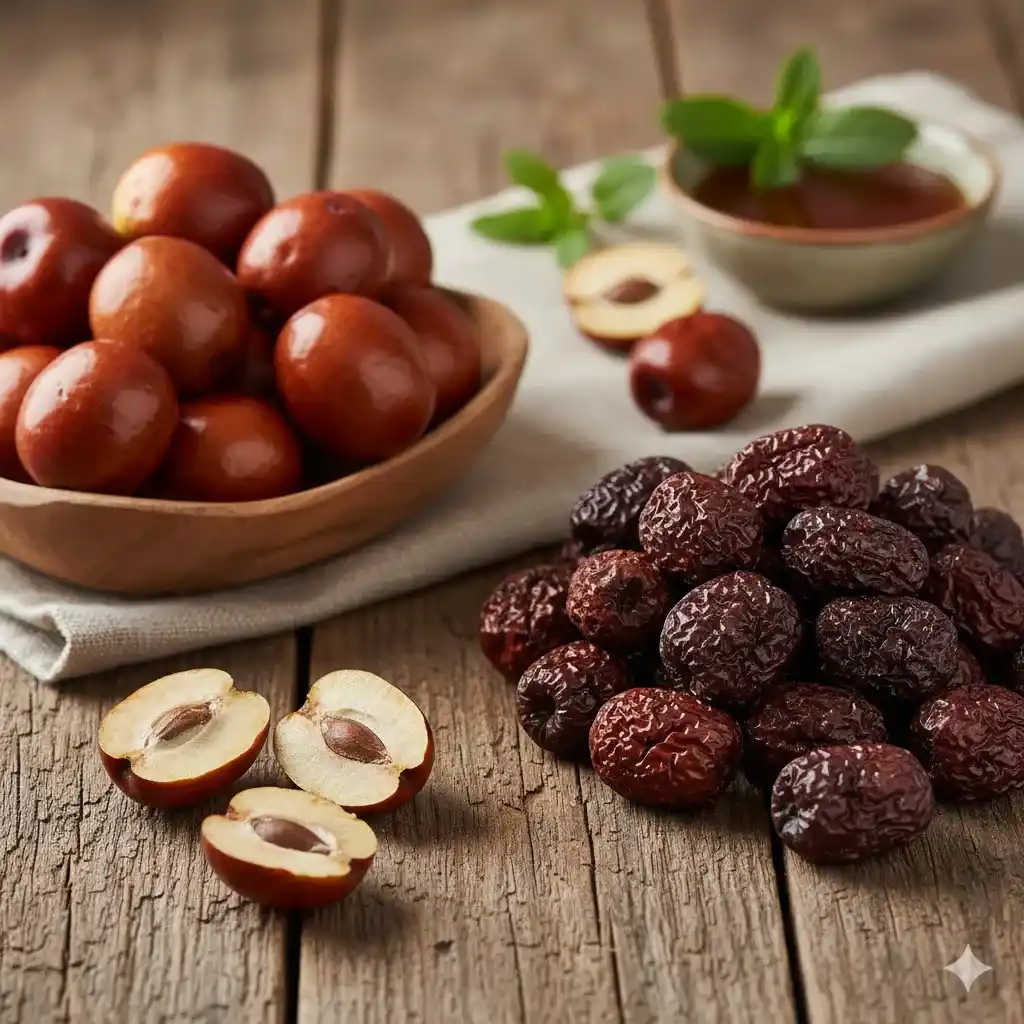
Among the many hidden gems of traditional cuisine and natural medicine, Žižole—known as the jujube fruit or “red date”—holds a unique place. This small, reddish-brown fruit grows on the Ziziphus jujuba tree and has been cherished for more than 4,000 years. With origins in China and a cultural journey across the Middle East, Mediterranean, and Europe, Žižole continues to be celebrated today for its sweet-tangy flavor, healing properties, and cultural symbolism.
In this article, we’ll explore the history, nutrition, health benefits, cultural uses, and modern relevance of Žižole.
The History of Žižole
Ancient Roots
Historical records show that Žižole was cultivated in China as early as 2000 BCE. It was prized not only for its flavor but also for its medicinal qualities. Ancient Chinese texts describe it as a fruit of vitality, often used in herbal tonics and teas.
Cultural Spread
Through traders and travelers, Žižole spread to Persia, the Mediterranean, and eventually Europe. Each region integrated the fruit into its local cuisine, medicine, and traditions.
Symbolism
Across many cultures, Žižole symbolizes longevity, fertility, and prosperity. In some traditions, gifting dried Žižole during weddings or New Year festivals is seen as a blessing of health and good fortune.
What Does Žižole Taste Like?
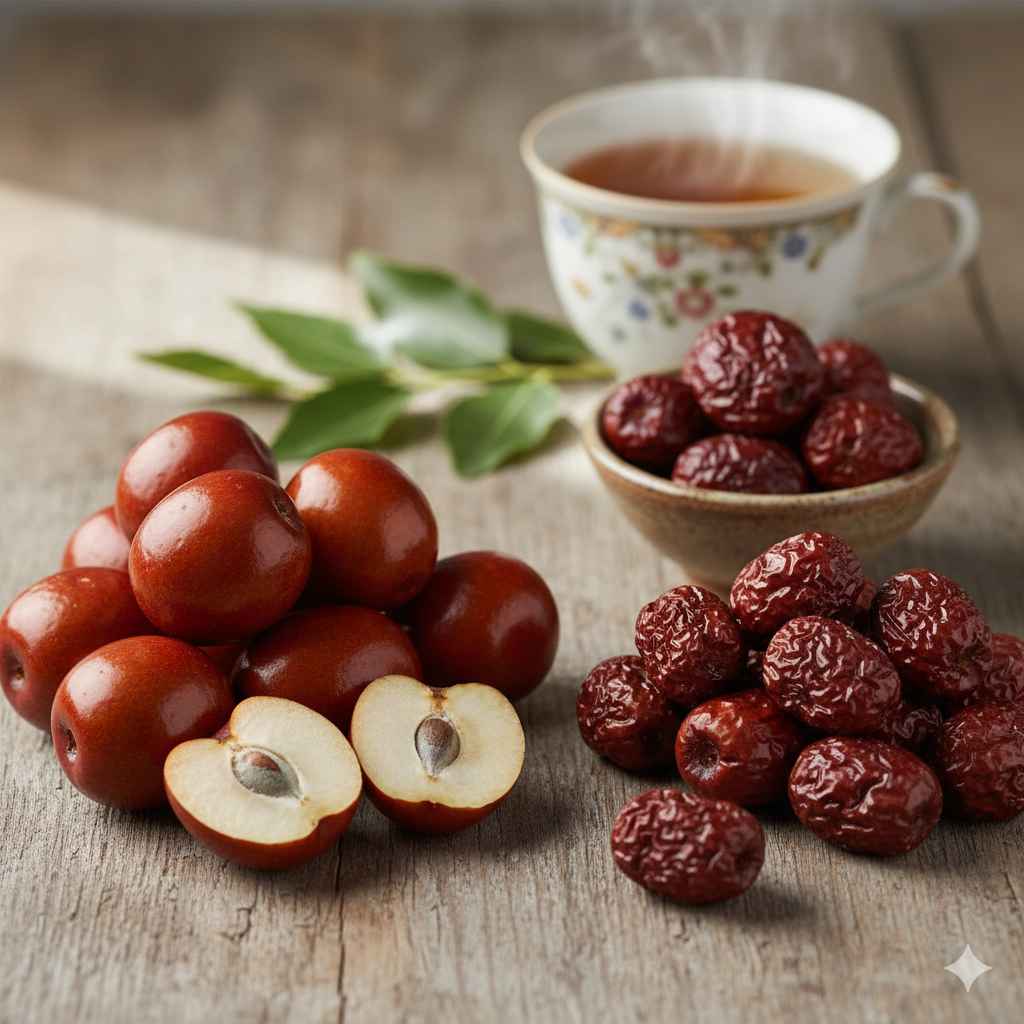
- Fresh Žižole: Crunchy texture, slightly sweet with a hint of tartness, similar to apples.
- Dried Žižole: Chewy, rich in sweetness, and comparable to dates or figs.
- Processed Forms: Often turned into jams, syrups, candies, and teas, where it takes on a honey-like flavor.
Its versatility makes it a staple snack, dessert ingredient, and wellness food.
Nutritional Value of Žižole
Žižole isn’t just tasty—it’s nutrient-dense. Here’s what 100 grams of fresh fruit typically offers:
| Nutrient | Amount | Benefit |
|---|---|---|
| Calories | 79 kcal | Provides natural energy |
| Vitamin C | 69 mg | Boosts immunity & skin health |
| Potassium | 250 mg | Supports heart & blood pressure |
| Fiber | 3 g | Aids digestion & gut balance |
| Antioxidants | Rich | Protects against free radicals |
Health Benefits of Žižole
1. Boosts Immunity
The high vitamin C content strengthens the immune system, helping the body fight infections.
2. Supports Digestive Health
Rich in fiber, Žižole prevents constipation, improves digestion, and promotes gut microbiome health.
3. Promotes Restful Sleep
The seeds and extracts of Žižole are widely used in traditional Chinese medicine for insomnia and anxiety. Compounds in the fruit act as natural relaxants.
4. Improves Skin and Hair
Antioxidants in Žižole help fight premature aging, support collagen production, and strengthen hair follicles.
5. Enhances Heart Health
Potassium and bioactive compounds regulate blood pressure, improve circulation, and reduce the risk of cardiovascular issues.
6. Provides Natural Energy
Dried Žižole is a favorite among athletes and workers who need long-lasting energy. Its natural sugars release slowly, preventing sugar crashes.
Žižole in Traditional Medicine
For centuries, Žižole has been part of Ayurvedic, Chinese, and Middle Eastern medicine. Common uses include:
- Treating insomnia and anxiety
- Soothing coughs and sore throats
- Supporting liver and kidney health
- Enhancing blood circulation
Even today, Žižole tea is sold worldwide as a calming, restorative drink.
How to Eat and Enjoy Žižole
Fresh Žižole
- Eat raw like an apple
- Slice into salads for crunch and sweetness
Dried Žižole
- Snack on it like dates
- Add to oatmeal, yogurt, or trail mix
- Use in baked goods (bread, cakes, cookies)
Beverages
- Brew into herbal teas for relaxation
- Blend into smoothies for natural sweetness
Preserves and Candies
- Cook into jams or syrups
- Try candied Žižole, a delicacy in many cultures
Žižole Across Cultures
- China: Known as hong zao (red date), it’s essential in medicine, soups, and festival foods.
- Mediterranean: Enjoyed dried, often paired with nuts or infused in liqueurs.
- Middle East: Used in herbal remedies and desserts.
- Europe: Especially in the Balkans and Italy, Žižole is celebrated as an autumn fruit.
Its wide cultural acceptance shows how adaptable this fruit is across culinary traditions.
Growing Žižole
If you’re considering cultivating Žižole:
- Climate: Thrives in warm, dry climates; drought-resistant.
- Soil: Prefers sandy or loamy soils with good drainage.
- Care: Low-maintenance, sustainable crop with long lifespan.
Because of its resilience, Žižole farming is gaining attention as a future-friendly agricultural option.
Modern Uses of Žižole
In today’s wellness and nutrition industries, Žižole is making a comeback as a superfruit. It’s used in:
- Nutritional supplements (powders, extracts, capsules)
- Natural skincare products (antioxidant serums, masks)
- Functional foods and beverages (energy bars, fortified teas, juices)
This modern revival is keeping Žižole relevant in global health trends.
Žižole vs Dates: Key Differences
| Feature | Žižole (Jujube) | Dates |
|---|---|---|
| Taste | Sweet-tangy, apple-like when fresh | Sweet, caramel-like |
| Calories (100g fresh) | ~79 kcal | ~282 kcal (dried) |
| Vitamin C | Very high | Low |
| Use in Medicine | Sleep aid, anxiety relief | Digestive aid, energy booster |
Conclusion
Žižole is far more than a seasonal fruit—it’s a symbol of tradition, wellness, and longevity. From its ancient roots in Asia to its modern role as a global superfruit, Žižole bridges the gap between history and health.
Whether you bite into it fresh, enjoy it dried, or sip it in tea, Žižole nourishes both body and spirit. As more people turn to natural remedies and whole foods, this timeless fruit is poised to shine even brighter in the wellness world.
FAQs About Žižole
Is Žižole the same as dates?
No. Although dried Žižole is often called a “red date,” it’s different in taste, nutrition, and medicinal use.
Can Žižole help with sleep?
Yes, extracts and seeds are traditionally used to relieve insomnia and anxiety.
How do you eat Žižole fruit?
You can enjoy it fresh, dried, brewed into tea, or cooked into jams and syrups.
Is Žižole good for skin?
Yes, its antioxidants fight premature aging and support skin health.
Where can I buy Žižole?
Asian, Middle Eastern, and health food stores often carry fresh or dried jujube fruit.