How Regular Plumbing Maintenance Improves Water Quality?
Neglecting plumbing maintenance can lead to a myriad of issues, including compromised water quality. Indeed, the Environmental Protection Agency (EPA) suggests that poor plumbing can result in contamination that affects both taste and health. Maintaining a clean and reliable water supply is not only about the water source but also the condition of the delivery system.
Understanding the critical role of plumbing in maintaining water purity emphasizes the value of regular check-ups and repairs. In this article, we’ll explore how routine plumbing upkeep contributes to better water quality and, in turn, enhances overall health and well-being.
Regular Plumbing Maintenance and Water Quality: Unveiling the Connection
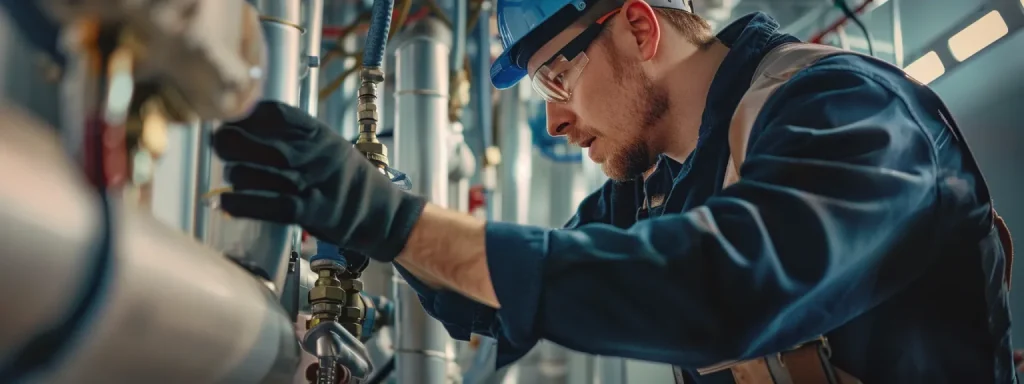
plumber Regular maintenance of plumbing systems is vital for preventing the leaching of harmful materials into water supplies. For example, decaying pipes can release metals such as lead and copper, which pose significant health risks when consumed. Scheduled servicing can spot and rectify these issues in a timely manner.
Moreover, the buildup of biofilm in pipes is a notorious culprit for degrading water quality. This sticky, microbial consortium can harbor pathogens and contribute to the unpleasant taste and odor. By regularly cleaning and inspecting pipes, biofilm accumulation is kept at bay.
Homeowners are advised to establish a maintenance schedule with a trusted plumbing service. This regular partnership ensures that potential hazards are identified and dealt with before they can degrade water quality, potentially preventing costly and extensive repairs in the future.
Identifying and Addressing Corrosion: A Key to Cleaner Water
The integrity of plumbing systems is often threatened by corrosion, a natural process that deteriorates metal pipes over time. Corrosion can lead to the presence of rust in water, which is not only aesthetically displeasing but can also have negative health impacts.
Early detection of corrosion through yearly inspections can avert the breakdown of pipes and subsequent contamination of the water supply. Recent findings from the American Water Works Association stress the importance of proactive pipe replacement to circumvent the implications of degraded piping on water purity.
Homeowners should look for discoloration or sediment in their water as signs of possible corrosion. Upon noticing these symptoms, it’s wise to consult with a plumbing professional who can assess the extent of corrosion and recommend appropriate remedial actions or replacement materials.
How Periodic Pipe Inspections Protect Against Contaminants
Periodic pipe inspections play a crucial role in preventing contaminants from reaching household water. Small cracks and leaks in the plumbing system can serve as entry points for soil, pesticides, and other harmful substances, potentially leading to waterborne diseases.
Through comprehensive inspections, plumbers can identify vulnerabilities in the system that may otherwise go unnoticed. This process includes assessing for leaks, checking water pressure, and testing water backflow preventers to ensure that contaminants are kept out of the potable water system. Protecting private wells is equally important, as they are susceptible to similar contamination issues.
It’s crucial for property owners to schedule inspections with certified plumbers who utilize specialized equipment. Tailored to individual properties and the local geography, these inspections can provide customized recommendations that safeguard the water from pollutants.
The Role of Professional Plumbers in Ensuring Safe Water Supply

Professional plumbers are indispensable when it comes to ensuring a safe water supply. Their expertise extends beyond fixing common leaks and clogs; they can also play a pivotal role in managing and upgrading the complex infrastructure that supports water cleanliness.
A professional plumber’s familiarity with current water quality standards ensures that maintenance and repairs align with health and safety regulations. They can also install advanced filtration and water treatment systems tailored to specific water quality issues faced by a household.
Engaging with certified plumbing professionals offers assurance that one’s plumbing system is not only in good working order but also contributes to the provision of clean, safe drinking water. Regular consultations ensure adherence to best practices and the latest technological advances in plumbing and water purification.
Ultimately, the role that plumbing maintenance plays in ensuring water quality should not be underestimated. Scheduled inspections, along with the timely detection and fixing of issues, significantly reduce the risk of contaminants entering the water supply. Professional plumbers are the unsung heroes in this process, providing the expertise and services required to maintain our most vital resource—clean water. Through their involvement, the longevity of plumbing systems and the health of individuals are considerably improved.


