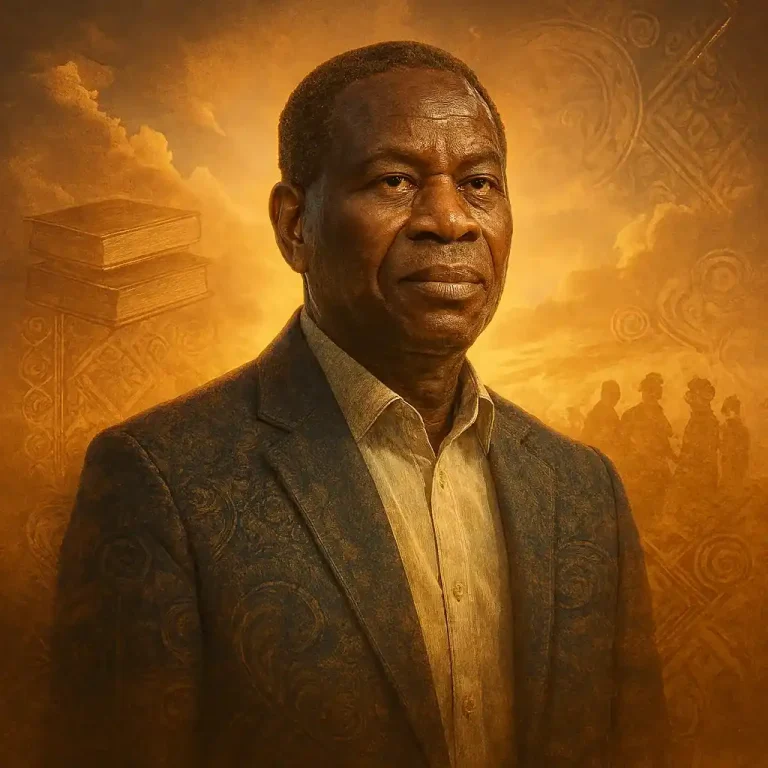
Babe Ruth Ethnicity: Race, Parents, Heritage & Ancestry Explained

1. Introduction to Babe Ruth
George Herman “Babe” Ruth Jr., born on February 6, 1895, in Baltimore, Maryland, is one of the most legendary figures in the history of baseball. Known as the “Sultan of Swat”, Ruth’s ability to hit home runs revolutionized the game, transforming baseball into America’s national pastime.
Despite his fame, Babe Ruth’s ethnic background has been a topic of curiosity for decades. Fans often ask: “What ethnicity was Babe Ruth?” or even “Was Babe Ruth Black or White?” In this article, we’ll break down his ethnic origin, parents’ heritage, race, and how misconceptions about his background shaped his legacy.
2. What Ethnicity Was Babe Ruth?
Babe Ruth was of German-American descent. Both of his parents, George Herman Ruth Sr. and Katherine Schamberger, were of German ancestry. This makes Ruth’s ethnic background primarily European, specifically German.
During the early 20th century, immigrants from Germany made up a large portion of Baltimore’s population, and Babe Ruth grew up within this cultural environment.
So, if you’ve searched “What ethnicity is Babe Ruth?” or “Babe Ruth ethnic background”, the answer is clear: he was ethnically German-American.
3. Babe Ruth’s Ethnic Background Explained
The ethnicity of Babe Ruth was shaped by his German heritage on both sides. His father’s surname, Ruth, traces back to German roots, while his mother’s maiden name, Schamberger, is also distinctly German.
This cultural background influenced Ruth’s upbringing. Baltimore’s German-American community was known for strong family traditions, Catholic faith, and a deep love for food, beer, and music — all cultural elements Ruth was exposed to in his early life.
4. Babe Ruth’s Parents and Their Heritage
Understanding Babe Ruth’s ethnicity also requires looking at his parents:
- Father: George Herman Ruth Sr.
He owned and ran several taverns in Baltimore. His German heritage strongly influenced the family’s cultural traditions. - Mother: Katherine Schamberger
Also of German descent, she worked hard to support the family while dealing with health struggles.
Thus, when we ask “Babe Ruth ethnicity parents”, the answer is both parents were German-American, which firmly establishes Ruth’s ethnic identity.
5. Babe Ruth’s Race and Identity
While Babe Ruth was ethnically German, discussions about his race became controversial throughout his life and career.
Was Babe Ruth Black?
This is one of the most common questions about Babe Ruth’s ethnicity: “Was Babe Ruth Black?”
The rumor stemmed from Ruth’s darker skin tone, thick facial features, and curly hair, which led some to speculate he may have had African ancestry. In the segregated America of the early 1900s, even a suggestion of Black heritage could have changed his public image and opportunities.
However, historical records and genealogical research confirm that Babe Ruth was not Black. His family lineage is entirely German-American, with no evidence of African descent.
Race vs. Ethnicity in Babe Ruth’s Legacy
- Race: Babe Ruth was considered White in racial classification.
- Ethnicity: He was German-American by cultural and ancestral background.
The confusion around his race highlights how ethnicity and race often get mixed in public perception.
6. Babe Ruth’s Ancestry and Ethnic Origin
Looking deeper into Babe Ruth’s ancestry:
- His paternal side (the Ruth family) originated from German immigrants who settled in Maryland.
- His maternal side (the Schamberger family) also traced its roots back to Germany.
This makes Babe Ruth’s ethnic origin firmly German-European. In fact, he grew up in a Catholic household, a common trait among German-American families of the era.
7. Public Perceptions and Misconceptions About His Ethnicity
During Babe Ruth’s career, newspapers and fans speculated endlessly about his ethnicity. Some of the misconceptions included:
- That he was part African-American (due to his appearance).
- That he was part Irish (because of his Catholic background).
- That he had mixed ethnicity beyond European roots.
These rumors were fueled by the racial tensions of the time. In segregated America, athletes’ backgrounds were often scrutinized. Ruth’s ability to excel in a sport where race played a huge role in public perception made the question of his ethnicity a persistent topic.
8. Babe Ruth Ethnicity Discussions (Including Reddit Debates)
Even today, debates about Babe Ruth’s ethnicity continue online. Searches like “Babe Ruth ethnicity Reddit” show discussions where fans argue over his race, heritage, and whether he faced discrimination.
Many point out that Ruth’s thick features and darker complexion led some rivals to use racial slurs against him. Others argue that Ruth’s success helped break stereotypes in baseball, paving the way for integration years later when Jackie Robinson entered Major League Baseball in 1947.
9. How Babe Ruth’s Ethnic Background Shaped His Career and Legacy
Babe Ruth’s German-American upbringing influenced him in several ways:
- His Catholic schooling played a role in his discipline and introduction to baseball, as he was placed in St. Mary’s Industrial School for Boys, run by Catholic missionaries.
- Growing up in an immigrant-heavy neighborhood, Ruth was exposed to diverse cultures, which may have helped him connect with fans from all walks of life.
- Misconceptions about his race and ethnicity highlighted the racial tensions of his time, adding another layer to his historical legacy.
Ultimately, Ruth’s ethnicity did not define his career as much as his talent did — but it remains a fascinating part of his story.
10. FAQs on Babe Ruth’s Ethnicity
What ethnicity was Babe Ruth?
Babe Ruth was German-American.
What nationality was Babe Ruth?
He was American, born in Baltimore, Maryland.
Was Babe Ruth Black?
No, despite rumors, Babe Ruth was not Black. His ancestry was fully German.
What ethnicity were Babe Ruth’s parents?
Both of his parents were of German descent.
Why do people question Babe Ruth’s ethnicity?
Because of his darker complexion and features, people speculated he might have had African ancestry, though records confirm his heritage was German.
11. Conclusion
Babe Ruth’s ethnicity is an essential part of his life story, often overshadowed by the myths and rumors that surrounded him. While his talent on the field cemented him as a baseball legend, curiosity about his background reveals the racial and ethnic dynamics of early 20th-century America.
The truth is simple: Babe Ruth was German-American, born to immigrant parents in Baltimore. However, the speculation around his ethnicity reflects how society viewed race and identity during his time.
Today, Babe Ruth is remembered not for his ancestry, but for his incredible contribution to baseball — a true icon whose legacy goes beyond ethnicity and race.